Storage is often treated as a furniture problem, but it is really a routine problem. The best storage plans begin with what people do every day: cooking, washing, getting dressed, cleaning, charging devices, putting laundry away and leaving the house on time. Once those routines are understood, the furniture choices become clearer.
Start with the pressure points
Every home has places where clutter gathers. It might be the kitchen worktop, the bathroom basin, the bedroom chair, the hallway floor or the dining table. These are not moral failings; they are design clues. They show where the home needs a better drop zone, drawer, shelf, cabinet or routine.
Kitchen storage: store by task
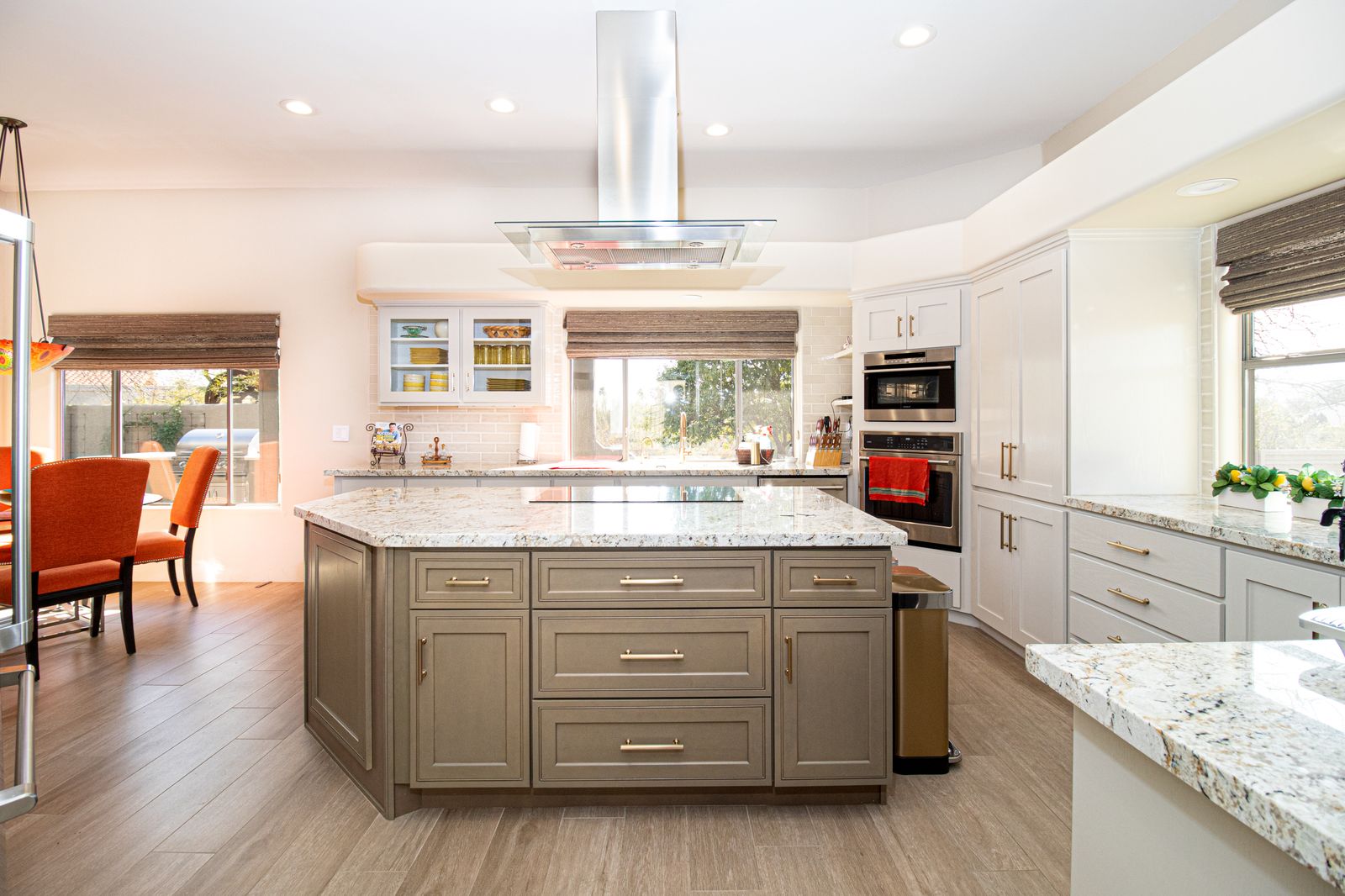
In the kitchen, storage should follow the cooking process. Keep knives, chopping boards and mixing bowls near the main preparation space. Store pans close to the hob, mugs near the kettle, and everyday plates where they can be unloaded easily from the dishwasher. This is often more useful than simply adding more cupboards.
Deep drawers can make pans and dry goods easier to reach than low cupboards. Pull-out larders help narrow spaces. Tray dividers, pan drawers, corner solutions and recycling pull-outs can all reduce the everyday friction that makes a kitchen feel messy.
See our related guide to kitchen layout ideas that work in real homes.
Bathroom storage: protect the calm
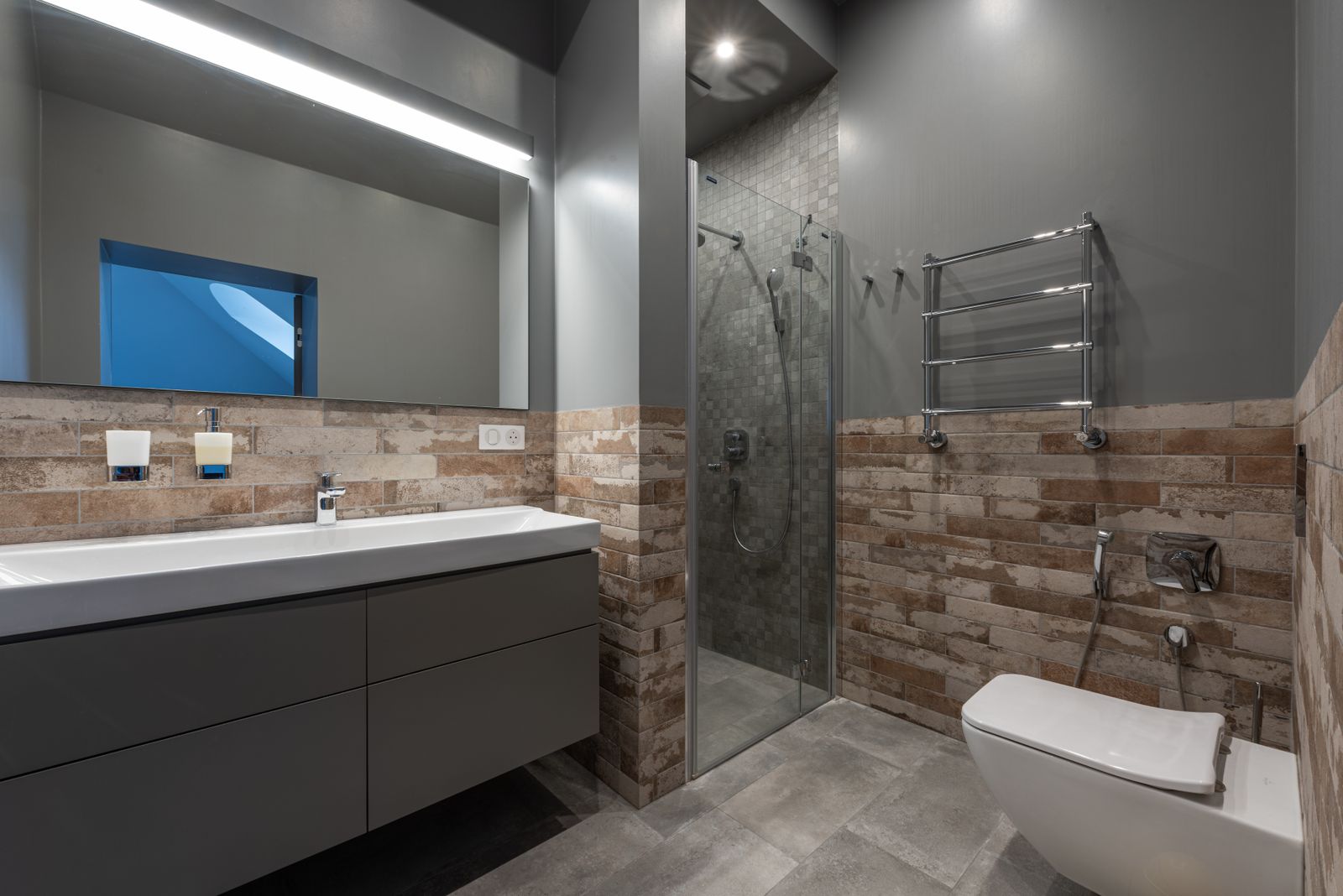
Bathrooms need storage for small, visually noisy items: toothbrushes, skincare, spare toilet rolls, cleaning sprays, razors, towels and medicines. A drawer vanity is often more useful than a pedestal basin because it turns the basin zone into working storage.
Mirrored cabinets, shower niches and tall slim cupboards can keep the room calm without taking much floor space. If you are choosing bathroom furniture, compare real product dimensions and categories through suppliers such as Bathroom Warehouse UK, which lists bathroom products across baths, vanity units and accessories.
Bedroom storage: use height, then add light
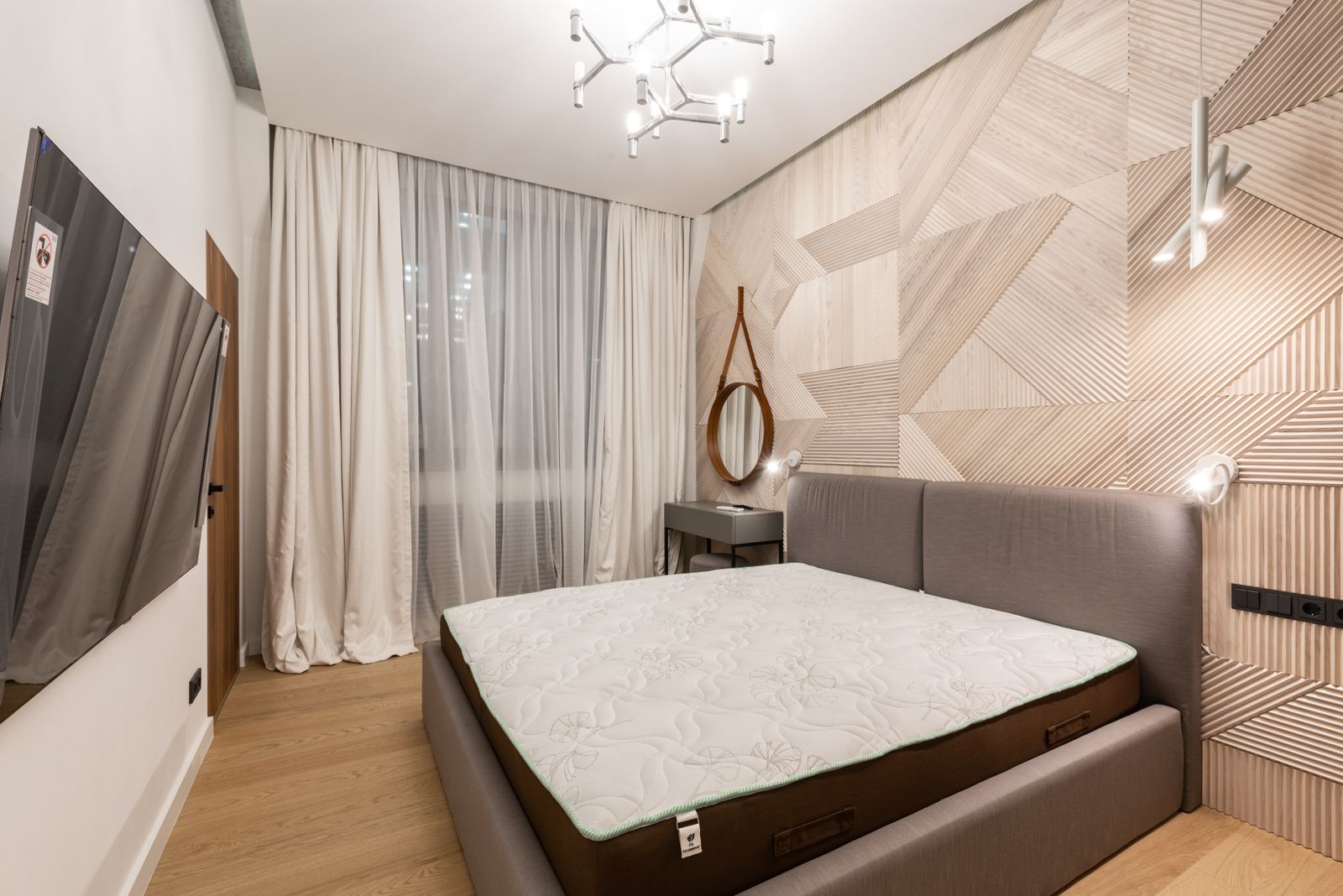
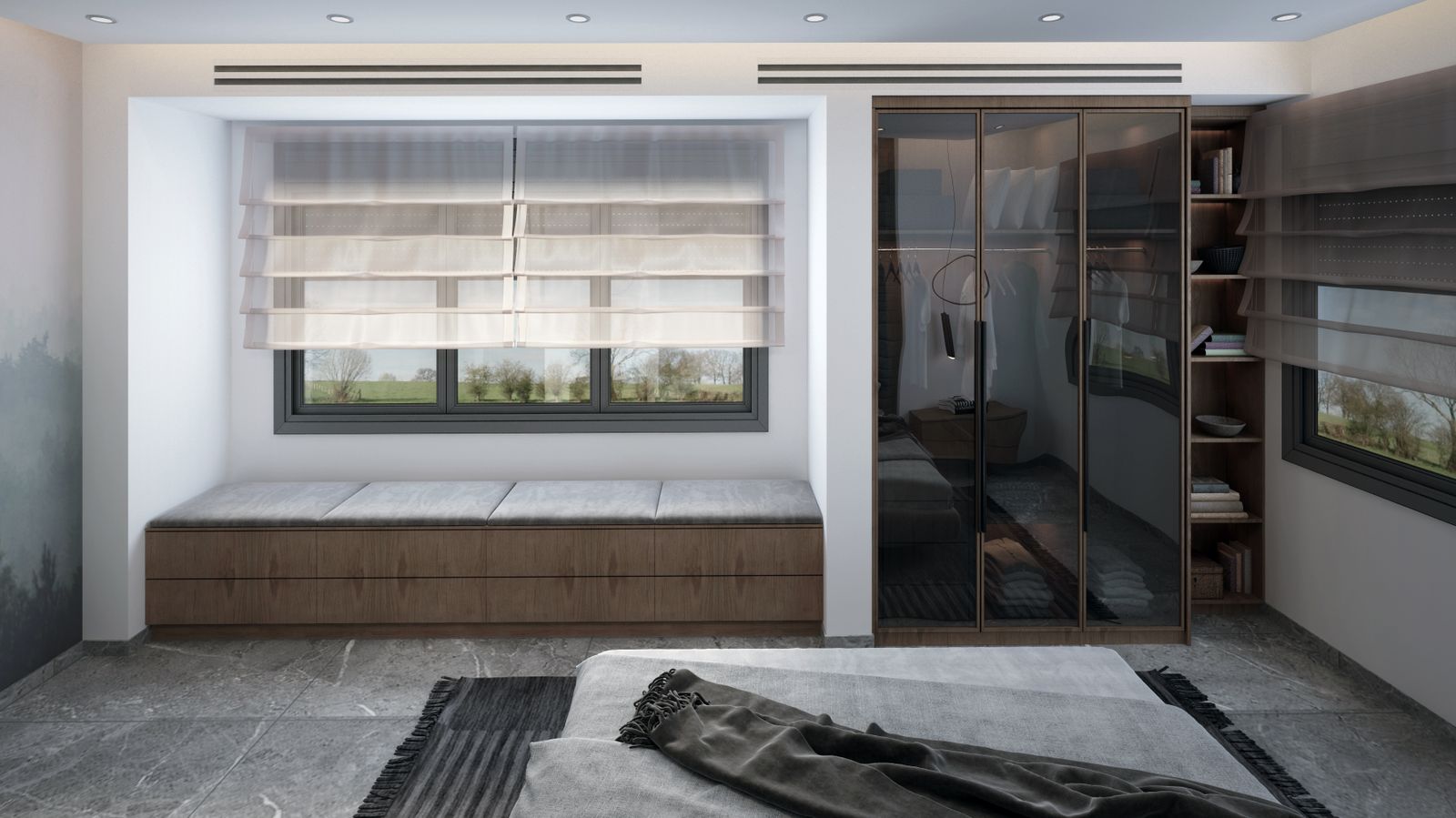
Bedrooms work best when storage fades into the room. Full-height wardrobes, sliding doors and internal drawer packs can keep clothing organised without filling the floor with separate pieces. Howdens’ small bedroom guidance highlights ideas such as sliding wardrobe doors, vertical wardrobe storage, bifold doors and lighting inside storage so essentials are easier to find.
The principle is simple: use the full height where possible, keep daily items easy to reach, and move seasonal items higher up or under the bed. Lighting matters because dark wardrobes quickly become messy wardrobes.
For more detail, read our bedroom storage ideas for calmer rooms.
Closed storage versus open display
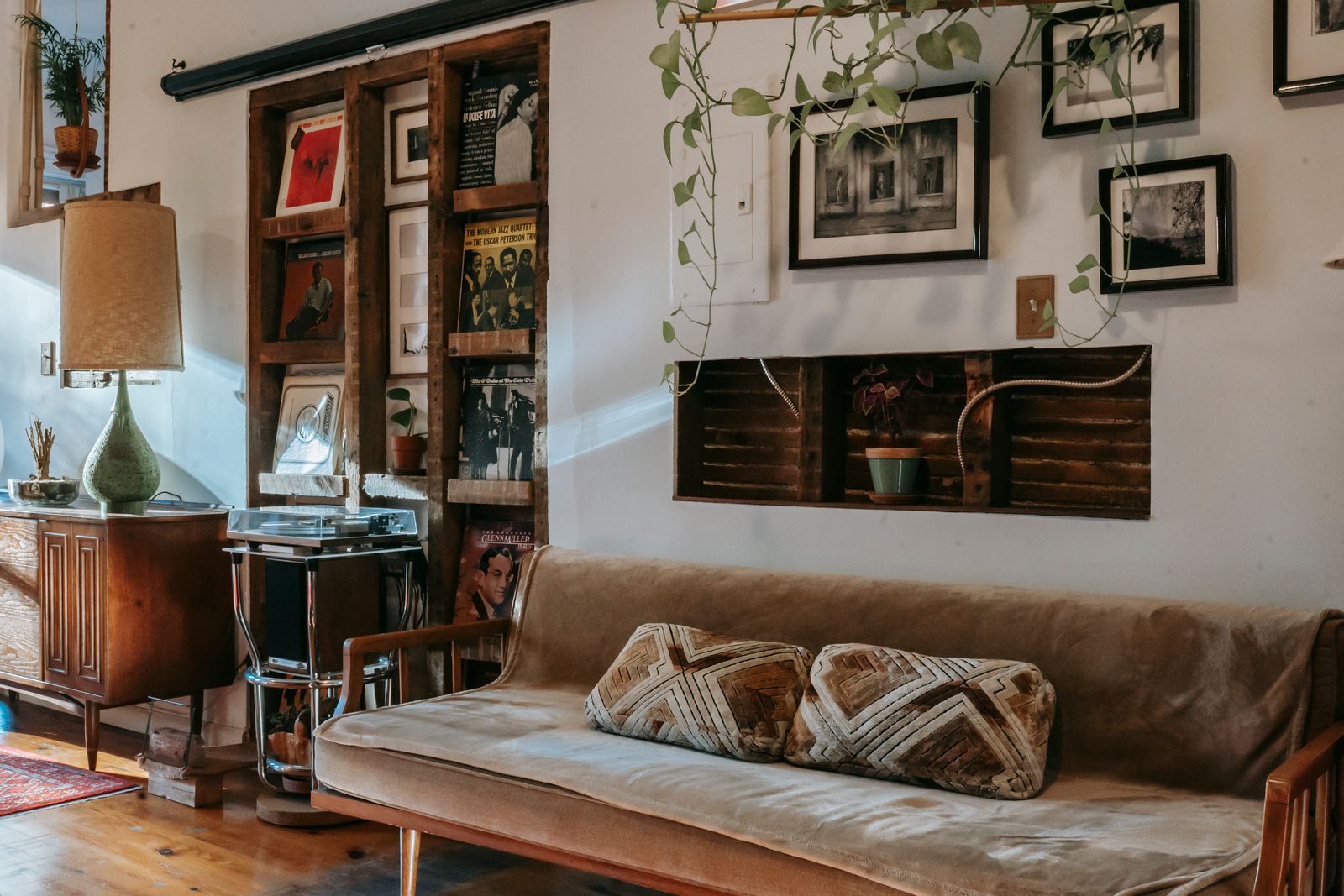
Open shelving can look attractive, but it is rarely the answer to everything. Use it for items that are genuinely good-looking or frequently used. Use closed storage for clutter, bulk buys, cleaning products, cables, paperwork and anything that makes a room feel busy.
Do a one-room audit
Before buying furniture, choose one room and empty the problem area. Sort items into daily, weekly, seasonal and rarely used groups. Daily items need prime storage. Weekly items can go nearby. Seasonal items can go high, low or elsewhere. Rarely used items may not deserve space in that room at all.
- Daily: easy reach, no stacking.
- Weekly: accessible but not prime position.
- Seasonal: high shelves, under-bed boxes or utility storage.
- Rarely used: consider moving, donating or storing outside the room.
Keep storage flexible
Homes change. Children grow, hobbies appear, work patterns shift and appliances move. Adjustable shelves, drawer organisers, modular inserts and simple labels are not glamorous, but they keep storage useful after the first tidy-up.