Category: Bedrooms

Bedroom style, storage, lighting, wardrobes, and calm practical design ideas.

  • KBB Video Feeds and YouTube Sources for Renovation Ideas

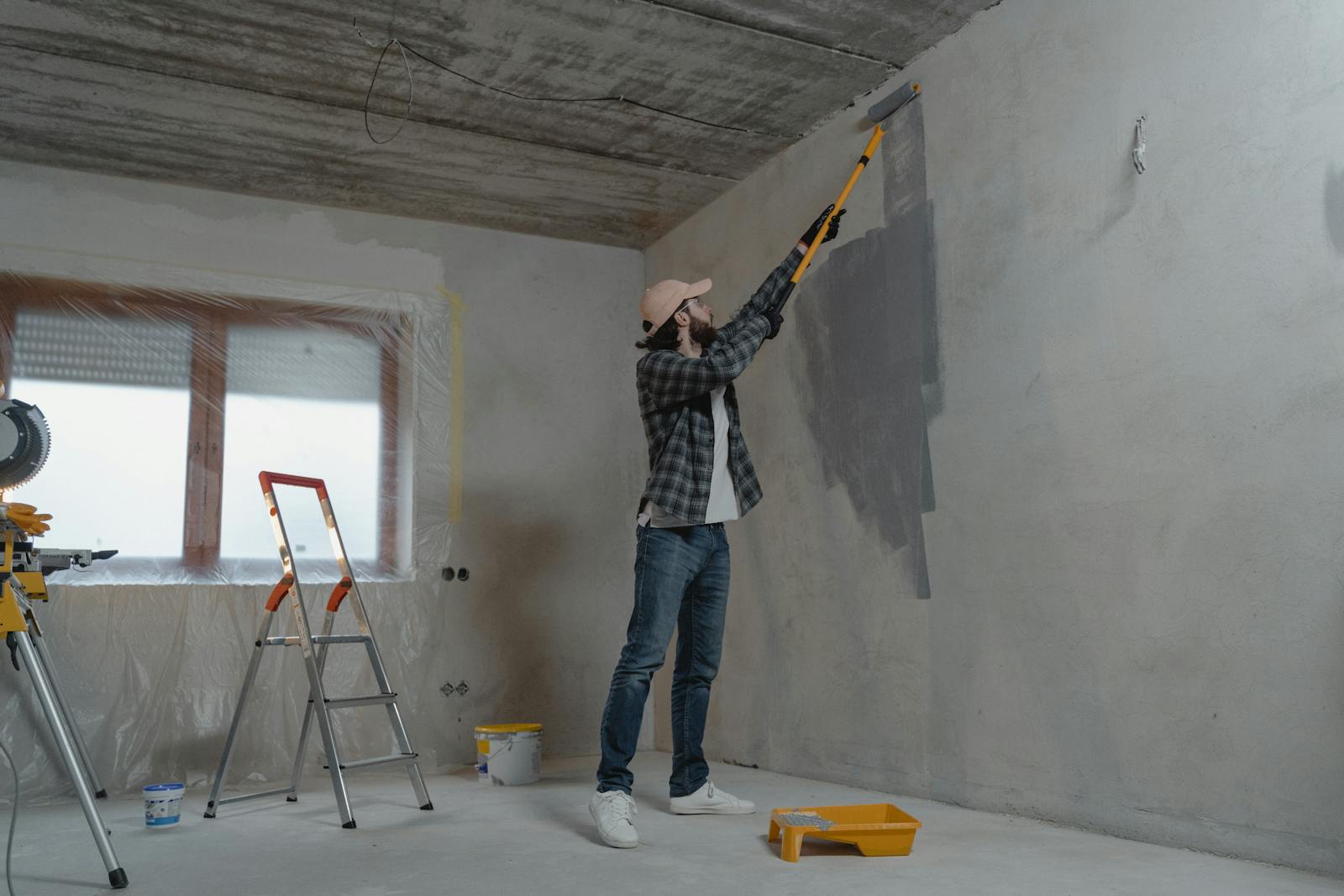
    Watching home renovation videos for kitchen and bathroom ideas
    Image via Pexels.

    RSS is not only for written articles. Video channels can be followed through subscriptions, channel pages and official YouTube video feeds. For KBB planning, video is especially useful because it shows scale, sequence, mistakes and installation details that a finished photograph can hide.

    Video sources worth tracking

    Direct YouTube RSS feed URLs

    • Fifi McGee: https://www.youtube.com/feeds/videos.xml?channel_id=UCG_CO8YuXR2eoOFh7zVQClA
    • Homebuilding & Renovating: https://www.youtube.com/feeds/videos.xml?channel_id=UCnBQs4X0ZLg5-aLailTGbsw
    • Skill Builder: https://www.youtube.com/feeds/videos.xml?channel_id=UC9GdB6vG6m6cDAwrTAWXgyg
    • Plumberparts: https://www.youtube.com/feeds/videos.xml?channel_id=UCwF8vOEatNvJUiXXJtDx-zA
    • Kitchinsider: https://www.youtube.com/feeds/videos.xml?channel_id=UCIdeWjDGRyhnngLMdbg7elw

    What to look for in KBB videos

    • Before-and-after videos that show the awkward middle of the project.
    • Kitchen videos that explain layout trade-offs, not just cabinet colours.
    • Bathroom videos that mention pipework, waterproofing, ventilation and access.
    • Bedroom or storage videos that show daily use, not only styling.
    • Longer renovation series where sequencing and disruption is visible.

    RealityBlogs use

    Video sources should be used as observation prompts. A good RealityBlogs article can translate a ten-minute video into a checklist: what to measure, what to ask a fitter, what to budget for and what can go wrong if the detail is ignored.
  • KBB Research Feeds: A Simple Source List for Kitchens, Bedrooms and Bathrooms

    Calm home interior with kitchen bedroom and bathroom planning mood
    Image via Pexels.

    For RealityBlogs, KBB means more than separate kitchen, bedroom and bathroom articles. The strongest ideas often come from watching renovation, interiors, product and practical DIY sources together, then turning them into plain-English planning advice.

    Core RSS and source pages

    How RealityBlogs can use them

    The best use of feeds is not to chase every new headline. A better approach is to group ideas by homeowner decision: layout, storage, lighting, ventilation, finishes, budget pressure and maintenance.

    • Kitchen feeds can support posts on work zones, cabinet choices and storage.
    • Bathroom feeds can support posts on showers, vanity units, condensation and cleaning.
    • Renovation feeds can support posts on project order, disruption, costs and sequencing.
    • Bedroom and interiors sources can support calmer storage, colour and lighting articles.

    Editorial rule

    Use feeds as research prompts and cite the original source pages. Do not copy article text. RealityBlogs posts should add practical UK homeowner context, compare ideas across sources and link readers onward for deeper reading.

  • Home Improvement RSS Feeds and Video Sources Worth Following

    Laptop and notebook used for home improvement research
    Image via Pexels.

    Good home improvement content needs a steady research diet. RSS feeds, official guidance pages, supplier catalogues and practical videos can all be useful, as long as they are used as research rather than copied. This page is a working source hub for future Reality Blogs articles.

    How we can use these sources

    Freely accessible does not automatically mean free to republish. The safe approach is to read, watch, compare and then write original guidance in our own words. Where a source is useful, link to it. Where a video is public and embedding is allowed, it can be embedded or linked. Full scripts, article text and image sets should not be copied unless the licence clearly permits it.

    RSS feeds and discovery lists

    Official and technical sources

    Product and project inspiration

    Supplier websites are useful for understanding categories, finishes, measurements and product language. Bathroom Warehouse UK is especially relevant to the bathroom side of this site, including baths, vanity units, commercial bathtubs and accessories.

    YouTube and video research

    YouTube is useful for practical demonstrations: extractor fan replacement, tiling details, shower tray installation, cabinet fitting, draught-proofing and room makeovers. For Reality Blogs, videos should be used to identify common questions, mistakes and terminology. We can embed a public video where the platform allows it, but we should still write original commentary around it.

    Good video topics to monitor include bathroom extractor fans, small bathroom makeovers, walk-in shower waterproofing, kitchen cabinet layout, under-cabinet lighting, bedroom wardrobe organisation, loft insulation and draught-proofing.

    Pages built from this research pool

  • Energy-Saving Home Improvements: Insulation, Draughts and Better Everyday Comfort

    Warm living space with natural light and home insulation improvements
    Image via Pexels.

    Energy-saving home improvements are not always the most glamorous upgrades, but they can change how a house feels every day. A warmer room, fewer draughts, better ventilation and lower hot water demand all affect comfort long before anyone notices a new paint colour.

    Start with heat loss

    The Energy Saving Trust explains that poorly insulated homes lose heat through the roof, walls and floors, and that insulation and draught-proofing help homes retain heat for longer. Their guidance is a useful starting point for deciding whether loft insulation, cavity wall insulation, solid wall insulation, floor insulation or draught-proofing should come first.

    For many households, the best first step is an audit rather than a purchase. Walk through the home on a cold or windy day and note draughty doors, cold floors, chilly loft hatches, poorly sealed pipe penetrations and rooms that heat up slowly. Those clues point towards the work that may have the biggest comfort impact.

    Quick wins before major work

    • Fit draught strips around external doors where appropriate.
    • Check loft hatch seals and insulation continuity.
    • Use radiator reflectors where suitable on external walls.
    • Insulate exposed hot water pipes in cold spaces.
    • Service heating controls so rooms are not overheated.

    Bathrooms need a different balance

    Bathrooms need warmth, but they also need moisture control. Better insulation without good ventilation can leave steam hanging around longer. Government guidance on ventilation, including Approved Document F, is worth checking when improving bathrooms, utility rooms and shower spaces.

    If you are renovating a bathroom, pair energy thinking with practical layout decisions. A better extractor fan, sensible towel drying space, insulated pipework and efficient shower fittings can all make the room easier to live with.

    Water efficiency is part of energy saving

    Hot water has to be heated, so taps and showers affect energy use as well as water use. The Centre for Alternative Technology has useful advice on reducing water use, including the impact of taps and showers. When comparing bathroom fittings, check flow rates and compatibility with your water pressure.

    Plan upgrades in the right order

    Fabric-first improvements such as insulation and draught-proofing often make later heating upgrades more effective. There is little point sizing a new heating system around a leaky house if the leaks are going to be fixed next year. Equally, there is no sense making a bathroom beautifully warm if poor extraction leaves mould at the ceiling line.

    Useful sources

    For room-specific reading, see our bathroom renovation planning guide and walk-in shower design guide.

  • Kitchen, Bedroom and Bathroom Storage: A Whole-Home Planning Guide

    Calm organised home interior with fitted storage
    Image via Pexels.

    Storage is often treated as a furniture problem, but it is really a routine problem. The best storage plans begin with what people do every day: cooking, washing, getting dressed, cleaning, charging devices, putting laundry away and leaving the house on time. Once those routines are understood, the furniture choices become clearer.

    Start with the pressure points

    Every home has places where clutter gathers. It might be the kitchen worktop, the bathroom basin, the bedroom chair, the hallway floor or the dining table. These are not moral failings; they are design clues. They show where the home needs a better drop zone, drawer, shelf, cabinet or routine.

    Kitchen storage: store by task

    In the kitchen, storage should follow the cooking process. Keep knives, chopping boards and mixing bowls near the main preparation space. Store pans close to the hob, mugs near the kettle, and everyday plates where they can be unloaded easily from the dishwasher. This is often more useful than simply adding more cupboards.

    Deep drawers can make pans and dry goods easier to reach than low cupboards. Pull-out larders help narrow spaces. Tray dividers, pan drawers, corner solutions and recycling pull-outs can all reduce the everyday friction that makes a kitchen feel messy.

    See our related guide to kitchen layout ideas that work in real homes.

    Bathroom storage: protect the calm

    Bathrooms need storage for small, visually noisy items: toothbrushes, skincare, spare toilet rolls, cleaning sprays, razors, towels and medicines. A drawer vanity is often more useful than a pedestal basin because it turns the basin zone into working storage.

    Mirrored cabinets, shower niches and tall slim cupboards can keep the room calm without taking much floor space. If you are choosing bathroom furniture, compare real product dimensions and categories through suppliers such as Bathroom Warehouse UK, which lists bathroom products across baths, vanity units and accessories.

    Bedroom storage: use height, then add light

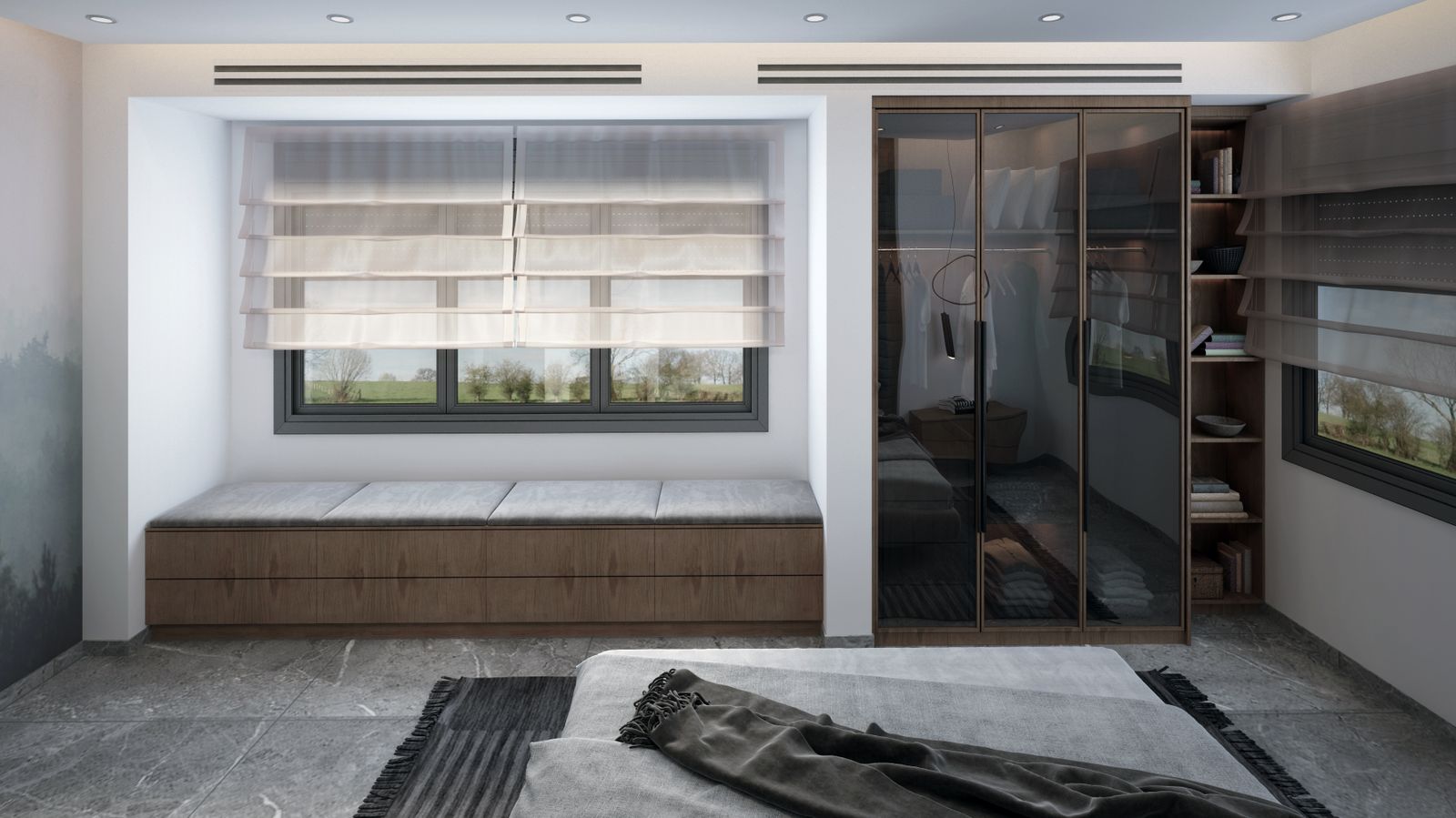
    Bedrooms work best when storage fades into the room. Full-height wardrobes, sliding doors and internal drawer packs can keep clothing organised without filling the floor with separate pieces. Howdens’ small bedroom guidance highlights ideas such as sliding wardrobe doors, vertical wardrobe storage, bifold doors and lighting inside storage so essentials are easier to find.

    The principle is simple: use the full height where possible, keep daily items easy to reach, and move seasonal items higher up or under the bed. Lighting matters because dark wardrobes quickly become messy wardrobes.

    For more detail, read our bedroom storage ideas for calmer rooms.

    Closed storage versus open display

    Open shelving can look attractive, but it is rarely the answer to everything. Use it for items that are genuinely good-looking or frequently used. Use closed storage for clutter, bulk buys, cleaning products, cables, paperwork and anything that makes a room feel busy.

    Do a one-room audit

    Before buying furniture, choose one room and empty the problem area. Sort items into daily, weekly, seasonal and rarely used groups. Daily items need prime storage. Weekly items can go nearby. Seasonal items can go high, low or elsewhere. Rarely used items may not deserve space in that room at all.

    • Daily: easy reach, no stacking.
    • Weekly: accessible but not prime position.
    • Seasonal: high shelves, under-bed boxes or utility storage.
    • Rarely used: consider moving, donating or storing outside the room.

    Keep storage flexible

    Homes change. Children grow, hobbies appear, work patterns shift and appliances move. Adjustable shelves, drawer organisers, modular inserts and simple labels are not glamorous, but they keep storage useful after the first tidy-up.

    Further reading

  • Bedroom Storage Ideas for a Calmer Room

    Calm bedroom with soft neutral storage and bedding
    Image via Pexels.

    A calm bedroom starts with storage, not decoration. When clothes, bedding and small daily items have a proper place, the rest of the room can stay simple and restful.

    Make storage quiet

    Use closed storage for visual clutter and open shelves only for the pieces you genuinely want to see. In smaller rooms, tall wardrobes and under-bed storage can protect floor space without making the room feel crowded.

    Use the full height of the room

    Bedrooms often waste space above wardrobes, chests and freestanding rails. Full-height wardrobes, high shelves for occasional items, and fitted furniture can make the room feel more settled because storage becomes part of the architecture.

    Separate daily and occasional storage

    Keep everyday clothes, nightwear and bedding easy to reach. Seasonal clothes, spare duvets and rarely used items can live higher up, under the bed, or in labelled boxes. The less often you touch something, the less prime space it deserves.

    Keep the palette steady

    Bedrooms do not have to be plain, but they benefit from restraint. Choose one warm neutral, one deeper accent, and one natural texture such as wood, linen or woven fabric. Repeating those choices across storage, bedding and curtains helps the room feel calmer.

    Check the lighting

    Storage only works well when you can see it. Add soft bedside lighting, brighter wardrobe lighting where possible, and avoid relying on one harsh ceiling light. Good lighting makes the room easier to use without spoiling the restful mood.

    For more practical home planning, see our guides to kitchen layout ideas and small bathroom design choices.